 support@onenoblepharma.com


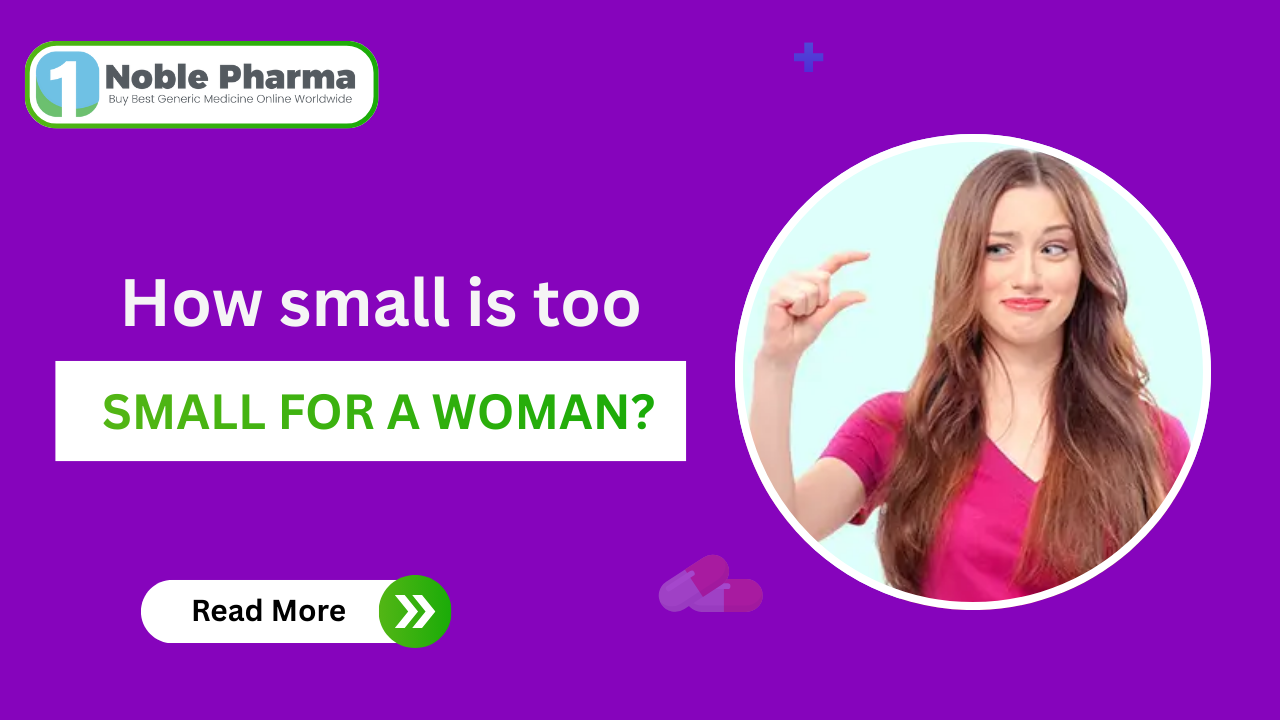
How small is too small for a woman?

Why this question comes up so often
Many women quietly worry about the size of their bodies, thinking, “How small is too small for a woman?” The reason why they always remember this is because they hear us constantly talk about how a woman should be, but about how a woman should normally be; nothing is discussed. Movies and advertisements only feature a woman looking a certain way, and this makes many women wonder about how they look themselves.
Another reason why this topic is frequently raised is the fact that women have the habit of comparing themselves with others. Friends, influencers, or even partners’ comments—sometimes harmless, sometimes careless—can plant doubt. Over time, this doubt grows into anxiety, even when there is no real medical problem.
And the truth is, most of those worries really aren’t medical in nature – they’re emotional ones. And certainly, in spite of all our shapes and sizes, “smallness” isn’t necessarily wrong in itself.
How Small Is “Too Small” for a Woman?
There is no specific size perceived as “too small.” Each human being is built differently. Height, weight, bone density, genes, etc., are all contributors in this context.
They do not diagnose health on overall appearance. They know that a woman may appear small, but she is healthy, strong, and full of energy. The disadvantage of being small is noted when it affects health, such as when one is too weak, always ill, has a hormone imbalance, and lacks energy.
In simple words- “If the body works well, then it’s probably true that the person is not ‘too small’.”
What Do We Mean by “Small”?
When referring to “small” things, one may mean different things:
- Low body weight
- Slim figure
- Small waist or hips
- Petite height
- Lean body frame
Most often, it is used based on how someone looks, not on their health facts. A person may look small but may have good muscles, a good bone structure, and good functions in their systems.
Worth noting, while being small does not always mean being unhealthy, being small doesn’t necessarily mean being strong.
Health vs. Aesthetic Standards
This is where confusion often begins.
Aesthetic standards
These are ideas created by society—what looks “ideal” or “attractive.” These standards change with time and culture. At one-point, thin bodies are praised. At another time, curvy bodies become popular. These trends are not medical truths.
Health standards
Health is about:
- Energy levels
- Regular periods
- Balanced hormones
- Strong immunity
- Normal digestion
- Mental well-being
A woman can meet all health standards and still not fit current beauty trends. That does not mean her body is wrong.
Health matters more than appearance.
Medical Perspectives: When Size Can Be a Concern
Physicians are concerned about human body sizes only to the extent that they influence normal body functions.
Some signs that may need medical attention are:
- Very low body weight and constant fatigue
- Missed or irregular periods
- Frequent Dizziness or Fainting
- Hair thinning or hair loss
- Weak immunity / repeated infections
- Difficulty healing or feeling cold all the time.
These indicators might be a sign of:
- Nutrient deficiencies
- Hormonal imbalance
- Eating Disorders
- Thyroid problems
In such circumstances, it would not be about how small one appears, but about how well one’s body manages internally.
Risks of Being Too Small for Your Body
If a woman’s body weight is too low for her own structure, it may create some health risks. These risks do not apply to everyone who is slim—only to those whose bodies are under stress.
Possible risks include:
- Low energy and weakness
- Hormonal imbalance
- Bone weakness
- Poor immunity
- Mood changes
These risks happen when the body does not get enough nutrition or when weight loss is sudden or extreme. They are health-related, not appearance-related.
When “small” is simply normal
Many women are small because that is just how their bodies are naturally built.
Some women:
- Have a quick metabolism
- Originate from families with small body builds
- Eat well, but don’t gain too much weight.
- Keep active and healthy
In these instances, it is no glitch to be small. It’s just a body type.
If you:
- Energetic
- Have regular periods
- Eat balanced meals
- Do not feel weak or ill
Then it’s probably just that your body is doing great.
Normal is different for everyone.
Emotional Effects of Body Size Worries
Worrying about being “too small” can impact mental health more than physical health.
Women can:
Feel Insecure
Avoid social situations
Compare themselves constantly
Feel pressured to change their body
One can have these feelings, but in most instances, they denote unreal apprehensions. Discussing the topic with a medical expert can help decide between genuine apprehension and unnecessary worry.
What Doctors Really Look At
Doctors focus on:
- Body mass index (BMI) along with symptoms
- Blood tests
- Hormone levels
- Menstrual health
- Overall lifestyle
They do not judge health based on looks alone. A woman may be slim and still score perfectly on health checks.
Support a Healthy Body
Instead of worrying so much about the size of the body, it is quite advisable to take notice of our daily habits to keep the body healthy. Taking the correct and balanced meals is important to provide the body with the required nourishment to help it perform in the required manner. Drinking enough water in the course of the day will also help the digestive functions, energize the body, and promote balance. Sleeping with adequate rest will give the body enough opportunity to take the needed rest, as seeking less stress is important to keep the body in the appropriate balance. Exercising the body regularly by being physically active is important to keep the body flexible and strong.
When to Seek Medical Advice
You should consult with your doctor if:
- You feel tired most of the time
- You have missed periods
- You have sudden weight loss
- You don’t feel well for no apparent reason
Getting checked does not mean that there is something wrong; rather, it helps you understand your body more.
Conclusion
The issue of being “too small” may trouble many women. In most instances, ‘too small’ is not a health issue for women. Their size is merely their size, but it is no indicator of health. The human body normally varies in size. Being too small can therefore be totally normal.
What’s most important is how your body feels and functions, not how it compares to someone else’s. So, if you feel good, strong, active, and in good health, most likely, you’re in good shape, size-wise too. Don’t worry anymore, as a medical practitioner will gladly enlighten us on good health, but not good looks.
There are trends that your body should not follow, but it should support your trends.
FAQ
Is there a specific weight that’s considered “too small”?
No, it depends on health, body type, and how you feel.
Is being petite the same as being underweight?
No, petite refers to body frame, not unhealthy low weight.
What are signs that being “too small” might be a health issue?
Constant tiredness, missed periods, weakness, or frequent illness may appear.
Can someone be healthy at a very low weight?
Yes, if the body functions well and feels strong.
